Growing Salvia divinorum indoors
It is touchy about sudden change and easygoing about almost everything else. Get the setup right, change things slowly, and it settles in.
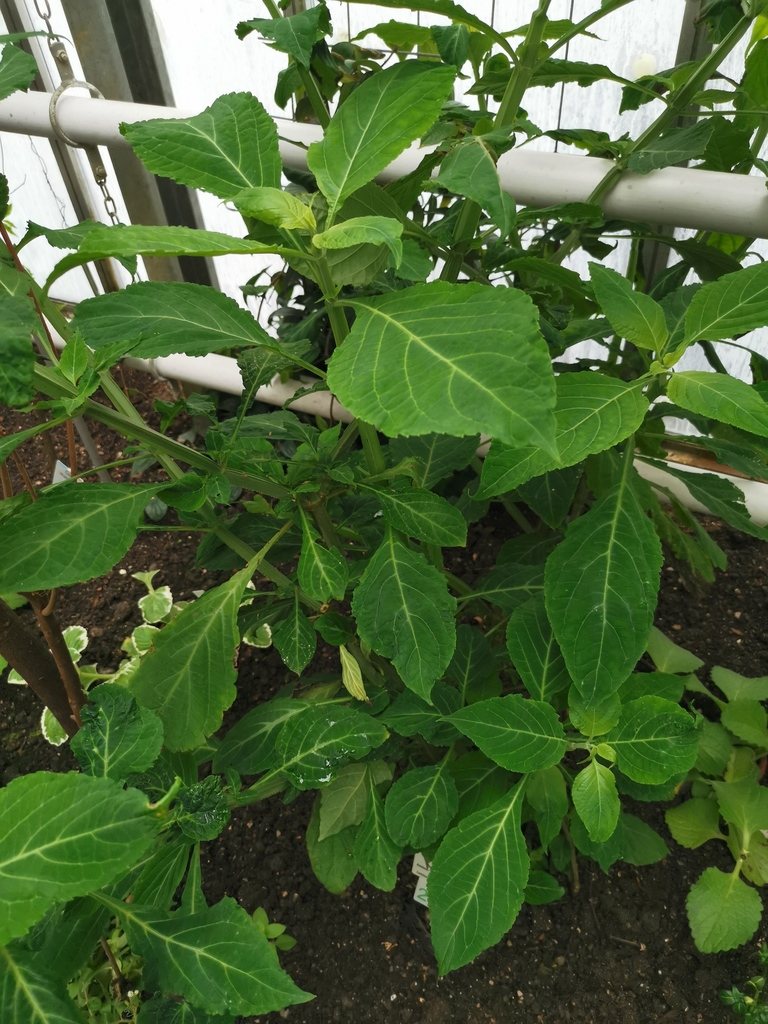
Ask experienced growers where this plant goes wrong and the answer is rarely the light or the soil. It is the move. "S. divinorum doesn't like extreme changes in its environment," the community FAQ puts it, and "the biggest problem that people have growing Salvia divinorum occurs within the first few weeks of obtaining the plant" (Erowid FAQ, 2009).
The other half of the story is just as consistent. Once a plant has adjusted, it is vigorous: one grower reports plants putting on four to five feet of growth in six months outdoors (Beifuss, 1997), and the FAQ notes that an established plant "can grow to fill any available space" (Erowid FAQ, 2009). This note covers both halves: what a good setup looks like, and how to get a plant into it without a shock.
- Temperature
- Ideal in the 60s °F. Frost kills the top growth (Beifuss, 1997).
- Light
- Bright but filtered. No direct sun (Beifuss, 1997; Richters Herbs).
- Water
- Moist, never soggy (Erowid FAQ, 2009).
- Humidity
- High is best, but it adjusts to normal room air if you lower it over several weeks (Beifuss, 1996).
- Soil
- Rich in humus and quick to drain. No heavy clay (Beifuss, 1997).
- Feeding
- Light and dilute (Richters Herbs). Heavy nitrogen draws pests (Beifuss, 1997).
- The rule
- Change one thing at a time, and slowly.
Why it reacts to change
In its home ravines in Oaxaca, the plant lives in shade, fog and steady rain (Reisfield, 1993, pp. 351–358). Little about that place changes from one week to the next. A move into a house changes several things at once: light, air, water, sometimes temperature. More on the habitat is in Field notes 01.
Houseplants in general react to that kind of jump. Moving a plant brings "a sudden change in environment," and dropping a few leaves afterward usually "simply indicates the plant is acclimatizing," according to University of Missouri Extension (University of Missouri Extension). Shipping adds its own stress: the FAQ warns that time in the mail "can have adverse effects," and the longer the trip, the greater the risk (Erowid FAQ, 2009).
- Pick its spot and leave it there.
Bright, filtered light, away from heaters, air conditioners and drafts. Water if the soil is dry. A little drooping on the first day or two is normal.
- Watch, don't fix.
A few dropped or droopy leaves are the plant adjusting (University of Missouri Extension). Resist moving it, repotting it or feeding it in the first week.
- Adjust slowly, one thing at a time.
If it came from a humid setup, lower the humidity gradually over several weeks (Beifuss, 1996). Brown, crispy leaf edges mean the air is getting too dry too fast (Beifuss, 1997).
- New leaves mean it has settled.
Start light, dilute feeding (Richters Herbs). From here, keep things steady and it does most of the work.
Our suggested schedule, built from the sources cited. Plants from us are adjusted to room humidity before they ship, so the humidity step is mostly done.
Light: bright, but not direct
"Filtered sunlight is best," and outdoors that grower used 60% shade cloth (Beifuss, 1997). A nursery answering the same question puts it as "bright light, but out of direct sun-light, since that could cook the plant" (Richters Herbs). That is unusual for a sage: a typical care sheet for the genus calls for "full sun; a southern exposure" (Logee's), while this species colonizes "sites that are dark and humid" most aggressively (Reisfield, 1993, p. 357).
It will put up with sun, up to a point. The FAQ says it can be grown in hot, sunny spots once acclimated, but "it does not thrive in these situations" (Erowid FAQ, 2009). Leaves grown in strong light come in paler; one grower notes this is normal and not harmful in itself (Beifuss, 1996).
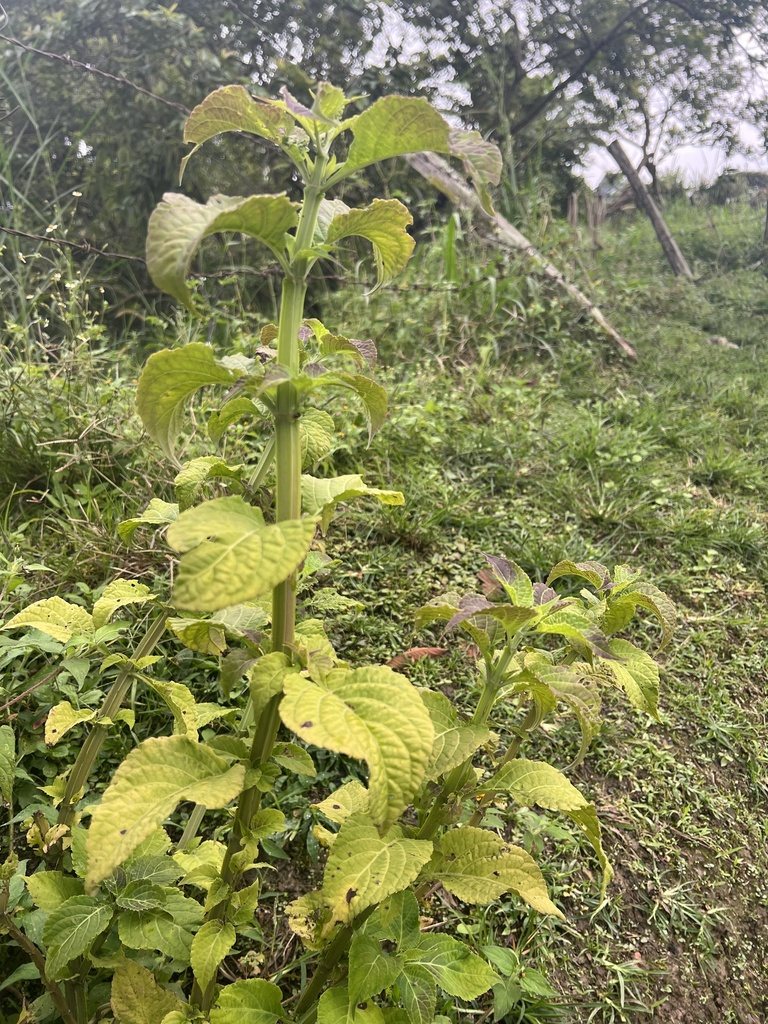
Indoors, that means a bright room without hours of direct sun on the leaves: an east window, or a sunny window behind a sheer curtain. Under grow lights, keep them at least two feet above the tops of the plants (Beifuss, 1997).
Water and soil: moist, never soggy
"The soil should be kept moist, but not soggy" (Erowid FAQ, 2009). The plant likes plenty of water (Beifuss, 1997), and in the wild it grows on stream banks (Reisfield, 1993, pp. 355–356). But a stream drains. A pot sitting in water does not.
For soil, Beifuss describes a "friable soil rich in humus and with good drainage" and warns against heavy clay. His own mix was one part each compost, peat moss and sandy loam, with a half part perlite (Beifuss, 1997). It also "likes a lot of root space"; repotting into a larger pot as it grows keeps it going (Beifuss, 1996).
A wilting plant is the classic trap, because it can mean opposite things. Check the soil before you water. If the soil is dry, the plant is thirsty. If the soil is wet and the plant still wilts, the roots may be rotting and can no longer take up water (Iowa State Extension, 2024). Watering a plant that is wilting from wet soil makes it worse. Our habit is a wooden skewer pushed to the bottom of the pot: if it comes out damp, wait.
Humidity: high is best, adjusted is fine
The plant enjoys high humidity, but plants "can grow just fine in much less humid conditions," and "the trick is to slowly acclimate the plant to a lower humidity environment over the course of several weeks" (Beifuss, 1996). The usual sign of air that is too dry is leaf edges turning brown (Beifuss, 1997).
Sources disagree on tents. One nursery suggests a clear bag over the plant with a very small hole left open (Richters Herbs). The FAQ advises against it: "the plant will become dependant on these environments" (Erowid FAQ, 2009). Both fit the same rule. A bag is a fine short-term bridge, but the goal is a plant that lives in your room's air, so open it up gradually rather than keeping it closed for good.
Temperature: mild, never freezing
"The ideal temperature is in the 60 to 70 degree range" (Beifuss, 1997). Plants have survived hot spells of 100°F and nights near 35°F (Beifuss, 1996), but frost is the hard limit: below freezing, the plant "will immediately turn black and die." If the root ball has not frozen, it can grow back (Beifuss, 1997). Indoors, the bigger risk is the sudden kind of change: a cold draft by a door in winter, or an air vent blowing straight onto the leaves.
Feeding: light, and less in winter
Feed lightly. Richters advises "a very dilute solution" (Richters Herbs). Beifuss fed about once a month with fish emulsion outdoors in summer, and warns that "feeding a lot of nitrogen to your plants will attract more problem insects to them" (Beifuss, 1997). For sages in general, one nursery recommends stopping feeding once active growth stops in winter (Logee's).
Yellowing has many causes, so look at where it starts. Yellow between the veins of the older leaves first is the classic pattern of magnesium deficiency (Penn State Plant Science); a fertilizer that includes magnesium covers it.
Pests: mostly sap-suckers, and gnats in wet soil
"The most common pests of Salvia divinorum are whiteflies and aphids" (Beifuss, 1997). Whiteflies gather on the undersides of leaves and leave sticky honeydew, which can grow sooty mold. Yellow sticky traps help spot them, but do not control them on their own. Soap sprays only kill the insects they hit, so cover the undersides and repeat (UC IPM, whiteflies). For whiteflies, Beifuss used one teaspoon of liquid castile soap per quart of water, weekly for a couple of weeks; aphids need insecticidal soap (Beifuss, 1997).
Spider mites prefer hot, dusty conditions, and water-stressed plants are the most susceptible. The first sign is fine pale stippling on the leaves, later yellowing and webbing. Forceful water sprays reduce them. Don't use soaps or oils on water-stressed plants or above 90°F (UC IPM, spider mites).
Fungus gnats thrive in wet potting mix. Their larvae can damage roots and stunt young plants. Let the surface of the soil dry between waterings, use yellow sticky traps for the adults, and use Bti, a bacterium that targets the larvae, if needed (UC IPM, fungus gnats).
Reading the plant
| What you see | Likely cause | What to do |
|---|---|---|
| Drooping or dropped leaves in the first days after arrival or a move | Adjusting to a new environment (Erowid FAQ, 2009; University of Missouri Extension) | Leave it in place, keep watering normally, and don't change anything else yet |
| Wilting, and the soil is dry | Thirsty (Iowa State Extension, 2024) | Water until the whole root ball is wet |
| Wilting, and the soil is wet | Roots rotting from too much water (Iowa State Extension, 2024) | Let it dry out, empty any saucer, and repot into fresh, well-drained mix if it keeps happening |
| Brown, crispy leaf edges | Air too dry, or humidity lowered too fast (Beifuss, 1997) | Raise humidity a little and lower it more slowly |
| Pale, washed-out leaves | More light than it needs (Beifuss, 1996) | Move to filtered light |
| Yellow between the veins, older leaves first | Possibly magnesium deficiency (Penn State Plant Science) | Use a fertilizer that includes magnesium |
| Sticky leaves, tiny white insects underneath | Whiteflies (Beifuss, 1997; UC IPM, whiteflies) | Soap spray on the undersides, repeated weekly |
| Fine pale speckles, fine webbing | Spider mites (UC IPM, spider mites) | Rinse the leaves with a strong spray of water; keep it watered |
| Small flies around the soil | Fungus gnats (UC IPM, fungus gnats) | Let the surface dry between waterings; sticky traps; Bti |
| Leaves turned black after cold | Frost (Beifuss, 1997) | Cut back the damage; if the roots didn't freeze, it can regrow |
Once it settles
Most of the work is front-loaded. Choose a spot with filtered light and mild temperatures, keep the soil moist but draining, and make every change slowly. After a few weeks of new growth, the hard part is over, and the most useful thing you can do is keep things the same.
Sources
- Erowid, ed. (2009). The community Salvia divinorum FAQ, version 2.0. Web page
- Beifuss, W. (1997). Cultivating diviner's sage. The Resonance Project, 1. Archived copy
- Beifuss, W. (1996). Cultivation. Appendix A in D. M. Turner, Salvinorin: The Psychedelic Essence of Salvia divinorum. Online edition
- Richters Herbs. Questions and answers: growing diviner's sage. Web page
- Logee's. Salvia cultural information (care sheet for the genus). PDF
- Reisfield, A. S. (1993). The botany of Salvia divinorum (Labiatae). SIDA, 15(3), 349–366. PDF
- Geist, L. Snowbird season for houseplants. University of Missouri Extension. Web page
- Steil, A. (2024). Why is my houseplant wilting? Iowa State University Extension and Outreach. Web page
- Penn State Department of Plant Science, Roots Lab. Magnesium deficiency. Web page
- Flint, M. L. (2015). Pest Notes: Whiteflies. UC ANR Publication 7401. University of California Statewide IPM Program. Web page
- Godfrey, L. D. (2011). Pest Notes: Spider Mites. UC ANR Publication 7405. University of California Statewide IPM Program. Web page
- Bethke, J. A., & Dreistadt, S. H. (2013). Pest Notes: Fungus Gnats. UC ANR Publication 7448. University of California Statewide IPM Program. Web page
We sell live plants for growing, to adults, and ship only to states where the plant is legal. Page numbers refer to the published articles. Photos are credited where they appear.